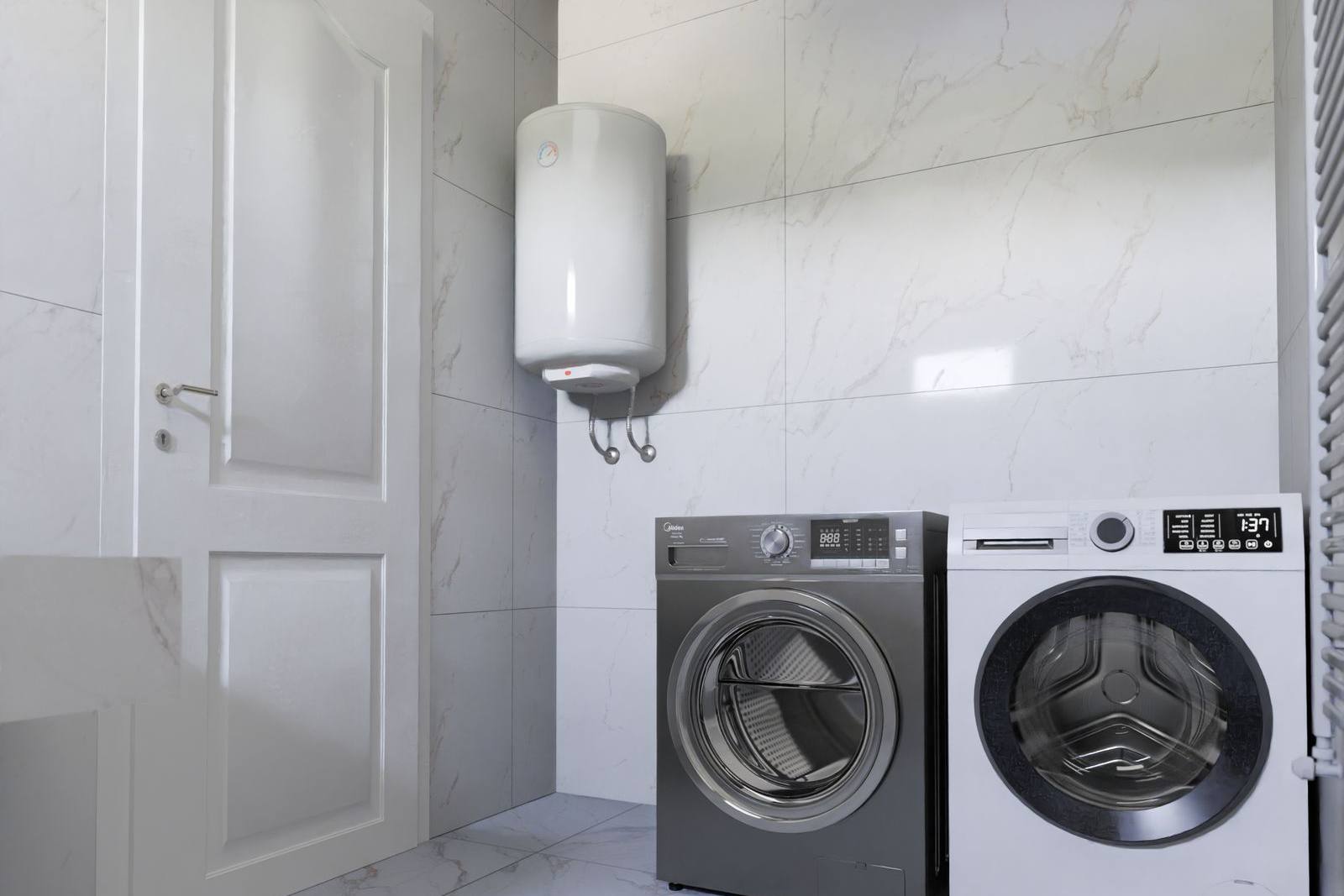
Water heaters built for Columbus conditions
Columbus is the state capital and Ohio's largest city, with about 900,000 people in the city itself and a metro that stretches across Franklin County into Dublin, Grove City, Hilliard, and Westerville. Its homes span many eras: late-1800s brick homes in German Village, Victorian Village, and the Short North; postwar bungalows and ranches in the inner suburbs; and newer subdivisions in Dublin, Hilliard, and Grove City. That mix matters for water heaters, because the age of a home's plumbing, where the heater sits, and how hard the water is all shape what goes wrong and how it should be fixed.
If your water heater has stopped working in Columbus or nearby, this site is the starting point: repair, tankless, replacement, urgent help, and maintenance — with requests shared with independent local providers who can respond. It is an independent informational and lead-generation website, not a plumbing contractor.
Why water heaters fail here
Most Columbus homes put the water heater in the basement, which protects it from freezing but means a leak can soak a finished basement before anyone notices. Ohio winters bring long stretches below freezing, so heaters in garages, crawl spaces, and unheated utility rooms need freeze protection, and a failed heater in January is a different problem from one in July. Columbus water is moderately hard, so sediment builds up in tank heaters and anode rods wear out faster than in soft-water cities. In the oldest neighborhoods, galvanized supply lines can restrict flow and make a new heater perform worse than it should until the piping is addressed.
What you can get help with here
- - Water heater repair — diagnosis and repair for tank and tankless units: no hot water, leaks, strange noises, pilot and ignition problems, and error codes.
- - Tankless water heaters — installation, repair, and descaling for homes that want hot water on demand without a storage tank.
- - Replacement and installation — when repair no longer makes sense, choosing the right size and type, and what a replacement involves in a local home.
- - Emergency repair — urgent failures such as leaking tanks, flooding, and sudden loss of hot water, and what to do in the first hour.
- - Maintenance and tune-ups — annual flushing, anode-rod checks, and inspections that extend a heater's life.
Service area
Requests are accepted from Columbus and Dublin, Grove City, Hilliard — 66 ZIP codes in total, each verified in the coverage feed. The service area page lists every ZIP code covered in each city.
How it works
Use the request form to describe the problem, when it started, and where you are. Your request is shared with independent local water heater providers who serve your part of Franklin County. The provider discusses inspection, options, and pricing directly with you. There is no fee from this site and no obligation.
Frequently Asked Questions
Is this site a plumbing company?
No. Columbus Water Heater Pros is an independent informational and lead-generation website. It does not perform plumbing work. Requests are shared with independent local service providers.
Which cities do you cover?
Columbus and Dublin, Grove City, Hilliard. The full list of covered ZIP codes is on the service area page.
How much does a water heater repair cost?
It depends on the problem, the heater's age and type, and parts needed. Local firms advertise tank water heater installs in roughly the $1,500–$3,000 range; repairs are typically less than replacement. Any figure on this site is general guidance, not a quote — the provider who responds to your request gives the actual price.
My water heater is leaking. What should I do first?
Turn off the water supply to the heater and, for a gas unit, turn the gas control to off; for an electric unit, switch off the breaker. If water is spreading, shut off the home's main water supply and move valuables out of the way. Then request assistance and describe the leak.
How long does a water heater last here?
Tank water heaters commonly last 8–12 years, and local conditions can shorten that. Regular flushing and anode-rod checks help. Tankless units often last longer, but only with regular descaling in hard-water areas.