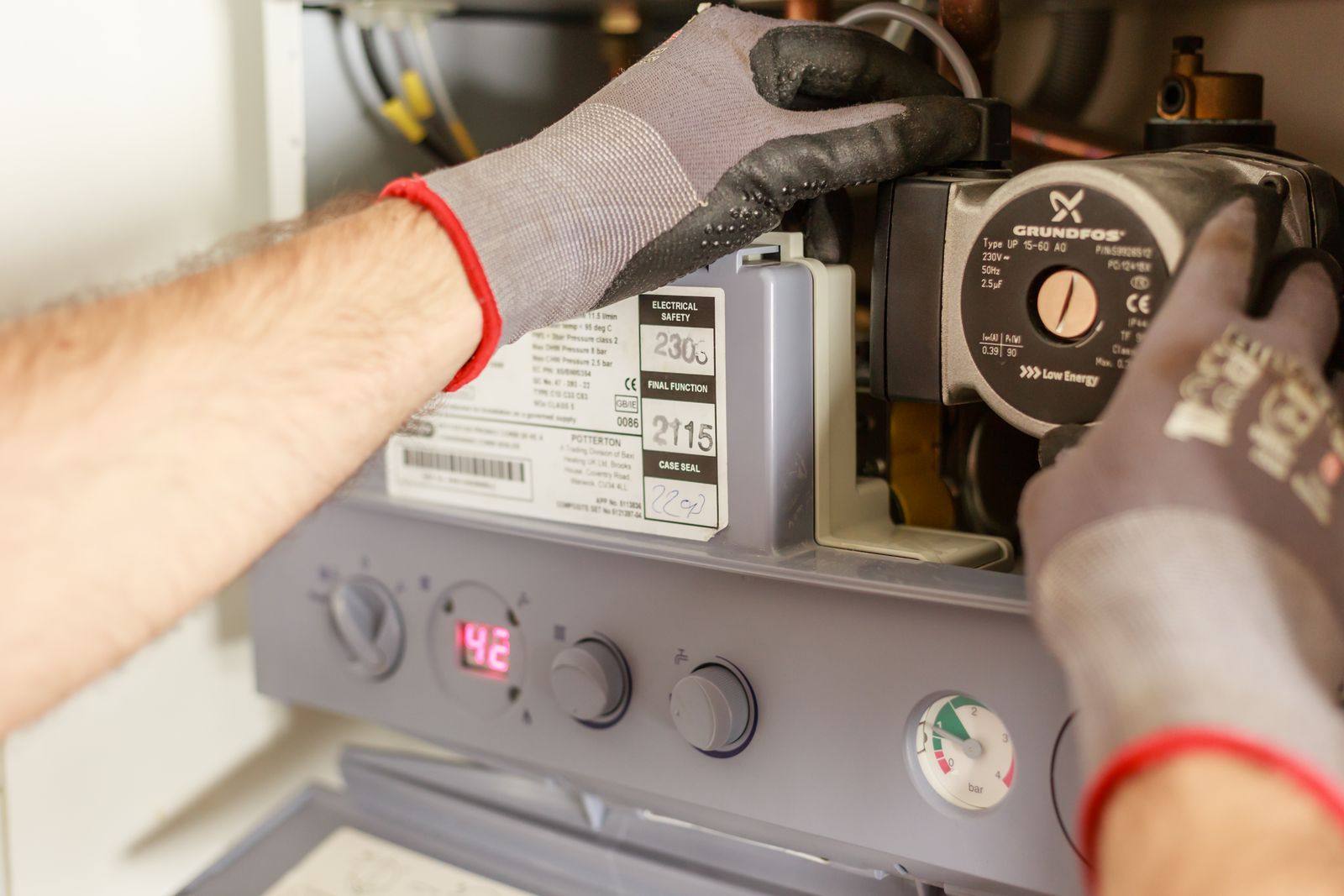
Columbus winters are long and cold, and a water heater that lives in a garage, crawl space, or unheated utility room feels every degree of it. Most Columbus heaters sit in basements, which protects them from freezing — but a basement leak can soak a finished basement before anyone notices. Here is what the cold does to a water heater, and which steps actually help.
Ohio winters are hard on water heaters
Columbus winters bring long stretches below freezing, and a water heater that lives in a garage, crawl space, or unheated utility room is exposed to it. The heater itself holds 40 or 50 gallons of hot water, so it rarely freezes while it is running — the danger is the pipes feeding it, and a heater that sits idle in a cold space during a cold snap. A frozen pipe that bursts when it thaws can release far more water than a leaking tank.
Cold weather is the reason most Columbus heaters fail in winter. Here is what the cold does, and which steps actually help.
What freezing does
Frozen supply pipes
The cold-water line entering the heater and the hot-water line leaving it can both freeze where they pass through an unheated space. When water freezes it expands, and copper or PEX under pressure can split. The leak often does not appear until the pipe thaws — which is why a burst pipe is usually discovered as a flood, not as a drip.
Basement leaks that go unnoticed
Most Columbus heaters sit in basements, which protects them from freezing but creates a different problem: a slow leak in a basement can soak flooring, drywall, and stored belongings before anyone notices. A finished basement makes this worse, because the water hides behind walls and under flooring. Checking the base of the heater and the floor around it takes a minute and is worth doing monthly in winter.
Pilot and ignition trouble in the cold
Gas heaters in cold garages can be harder to light and keep lit, because cold air affects combustion and the pilot. A pilot that will not stay lit in January is not always a failed thermocouple — but it is always worth a professional diagnosis rather than repeated relighting attempts.
What actually helps
- - Insulate exposed pipes where they run through unheated spaces, especially the lines near the heater.
- - Keep the space heated. A garage or utility room that stays above freezing protects both the heater and its pipes. A small amount of heat is cheaper than a burst pipe.
- - Do not turn the heater off during a cold snap to save energy. A heater that is off cools down, and cold water in the tank and pipes is what freezes.
- - Fix drips before winter. A relief valve or fitting that drips in October becomes a bigger problem when the temperature drops.
- - Know where the shut-offs are — the valve on the cold-water line into the heater, and the home's main water shut-off — before you need them in a hurry.
What does not help is ignoring the problem until the first hard freeze. A heater that has never been inspected before winter is the one that fails on the coldest night of the year.
Frequently Asked Questions
Should I drain my water heater before winter?
No — draining a heater that is in regular use makes freezing more likely, not less. Keep it running and keep its space heated. Draining is for heaters in homes that will stand empty and unheated all winter, and it should be done properly.
My pipes froze. What do I do?
Turn off the water at the main shut-off if a pipe has burst, and do not use a torch or open flame to thaw a pipe. A provider can thaw it safely and check for splits. If you smell gas, leave the home and call your gas utility from outside.
How cold does it have to get for pipes to freeze?
Pipes in unheated spaces can freeze when the temperature stays below freezing for hours, especially overnight. Wind and exposure make it worse. Insulation and heat are the protection, not hope.
Does cold weather shorten a water heater's life?
Cold alone does not, but freeze damage and the extra work of heating very cold incoming water do add stress. The maintenance that matters in Columbus is the same as anywhere — annual flushing and anode-rod checks — plus the freeze protection above.